
Gate 1 · Gordon Highway · Jimmie Dyess

Gutter Installation and Gutter Cleaning Near Fort Gordon, GA

Gutter installation and gutter cleaning around Fort Gordon serve a housing ring that turns over faster than anywhere else in the CSRA. Homes here are bought, sold, and rented on a two or three year rotation, and that rotation is what decides when gutter work actually gets done — usually at a walkthrough, an inspection, or the week before a move, when it is being priced under time pressure.

  • What to check on a walkthrough before you buy
  • The inexpensive fixes that clear an inspection item
  • Clearing scheduled to the calendar, not to who lives there
  • Discharge checked where lots fall back toward the house
  • Regular west Richmond and Columbia County route
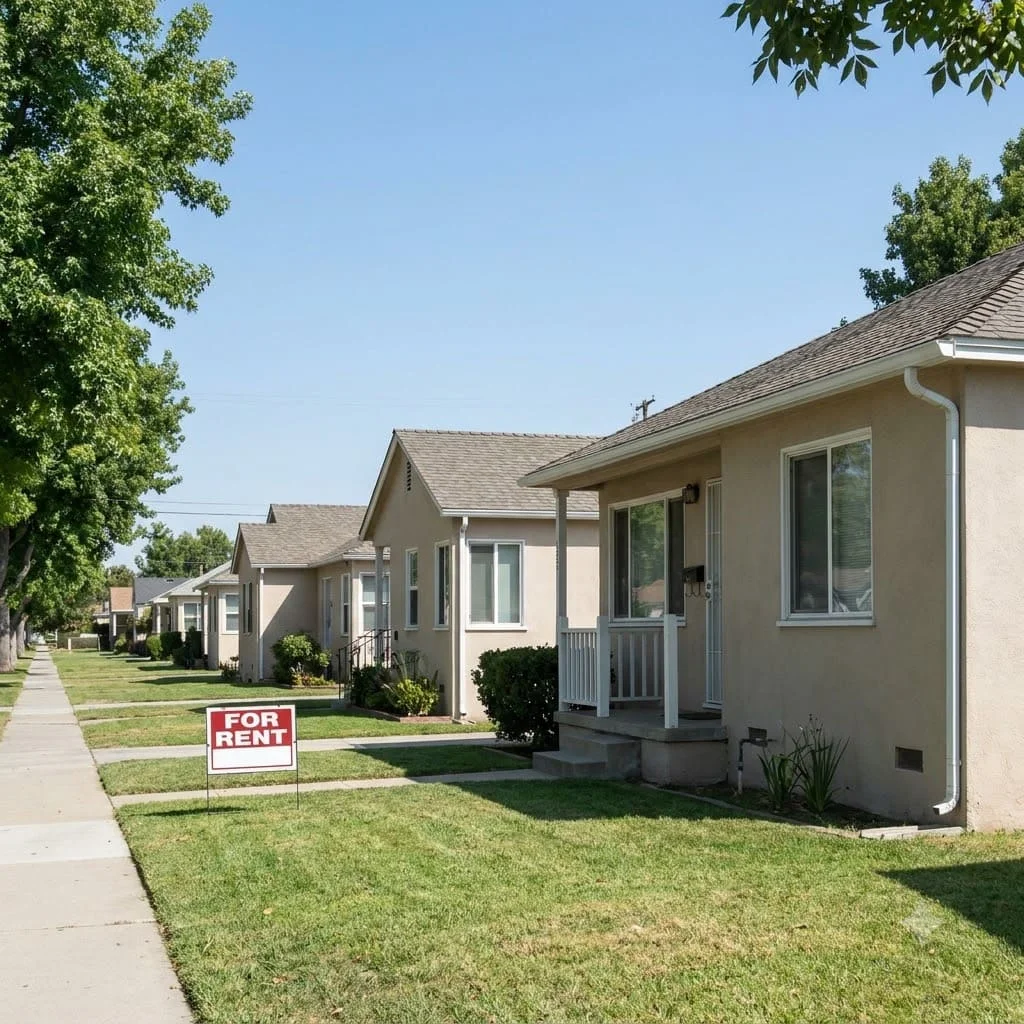
Plain white gutters on a modest single-story home in a uniform residential street
Free EstimatesAugusta & Richmond CountySeamless Gutter SpecialistsWritten PricingNo-Pressure Quotes

The installation was renamed Fort Eisenhower in 2023 and renamed Fort Gordon again in 2025, this time for Master Sergeant Gary I. Gordon. Both names remain in local use. What has not changed is the housing pattern around it — on-post family housing is privatised and limited in number, so most people attached to the post live off it, across a ring that runs from the Gordon Highway and Jimmie Dyess corridors out into Grovetown, Harlem, and Hephzibah.

That ring turns over on a two or three year cycle, and the cycle is the thing that shapes the gutter work here. Nobody is on a twenty-year maintenance plan. Gutters get attention at a walkthrough, at an inspection, or in the fortnight before a move, and the useful question is what is worth doing at those moments rather than what would be ideal over a decade.

What Rotation Does to a Gutter

A gutter fails slowly and gets ignored by everyone with a short horizon. That is not a criticism of anyone; it is arithmetic. Somebody two years from a move is deciding against a cost whose benefit lands after they leave.

The cumulative version is what turns up on inspections. Each occupant defers the clearing, and each one reasonably assumes the last one handled it. Three or four years of debris later, the trough has been carrying standing weight through several winters, and the run is no longer level. At that point it is not a cleaning job any more — the weight has pulled the fasteners and it needs rehanging.

A blocked trough is heavier than people expect. Saturated debris and standing water along a forty-foot run adds up to several hundred pounds, and on spike-and-ferrule fasteners that load works the spikes loose a little more with every cycle. The gap between cleaning and rehanging is measured in seasons, not in years.

What to Look at Before You Buy

Four checks, ten minutes, from the ground

None of this needs a ladder or a specialist. It needs somebody to walk the perimeter deliberately rather than glance at the front elevation on the way in.

  • Sight along each run. A trough should read as a straight line. Dips, waves, or a section standing away from the fascia mean the fasteners have moved and the run needs rehanging.
  • Look at the fasteners. Round spike heads every few feet through the front lip are spike-and-ferrule, which is the older system and the one that works loose. Hidden hangers show nothing from outside.
  • Check the fascia and soffit for staining. Dark streaking below the trough, or staining on the underside of the eave, means water has been getting behind the gutter — and the board underneath may already be soft.
  • Follow every downspout to where it ends. This is the one that matters most. Water emptying beside the wall on a lot that falls back toward the house is a recurring problem rather than a one-off, and it is visible in thirty seconds during a walkthrough.

Grade is worth a moment on its own. A lot that was cut flat and then graded back toward the foundation is common in the newer parts of the ring, and no length of splash block corrects it — the extension has to reach past the low point. Detail on the downspout and drainage page.

Inspection Items and What They Cost to Clear

Gutters come up on inspection reports regularly, and appraisers on government-backed loans pay attention to anything reading as active water intrusion or damage to the structure. Most of it is cheap to resolve while it is still a gutter problem.

  • Blocked or overflowing troughs. A clearing. Least expensive item on the list and the most commonly written up. See the pine straw removal page.
  • Loose or sagging runs. Rehanging on hidden hangers, at a fraction of the cost of replacement, and it addresses exactly what was written down. See the gutter repair page.
  • Missing sections or missing downspouts. Straightforward to add; usually the cheapest way to stop a foundation note appearing on the next report.
  • Discharge at the foundation. An extension carried clear of the wall. Small money, and it is the item most likely to have caused whatever else was noted.
  • Soft fascia. The point at which it stops being cheap. Board replacement is priced per foot, and it is why the earlier items are worth doing before they get here.

Replacement is the right answer when the fascia has already gone or when the run is sectional with multiple failed joints — at that stage it is repairing damage rather than presentation. The gutter replacement page covers when that threshold has actually been crossed.

Rentals and the Responsibility Gap

A large share of the housing ring is rented, often through the same handful of managing agents, and gutters sit awkwardly in most leases. Grounds maintenance is commonly the tenant's; structural maintenance is commonly the owner's; clearing a trough is arguably either.

The predictable result is that it does not happen. The tenant does not consider it theirs, the owner is not there to see it, and the cost of that ambiguity lands on whoever owns the house when the run finally comes away from the fascia.

Worth settling in writing at the start of a tenancy — who clears it, how often, and who pays. For an owner, an annual clearing booked directly is usually cheaper than the alternative and it does not depend on who is living there. The turnover pattern on rental housing is treated from the other direction on the Grovetown page.

Pine Cover Across the Ring

The western side of Richmond County and the Columbia County ground beyond it carry heavy loblolly pine, and that sets the clearing schedule regardless of anything else.

Pine straw is the specific problem. It is thin, stiff, three to six inches long, and it does not wash through — it threads into a mat and packs solid at the outlet, which means a trough can look passable from the ground and still be blocked where it matters. It also drops twice a year rather than once, so the autumn-only schedule that suits a hardwood neighbourhood leaves half the year uncovered.

Twice a year across most of the ring, three times under genuine pine cover. Where a property changes hands often enough that the schedule keeps slipping, micro-mesh guards are worth costing — they stretch the interval considerably, with the usual precondition that the runs have to be sound first because guards add weight and wind load to whatever is already holding them.

What Gutter Work Costs Around Fort Gordon

Augusta-market guidance rather than an offer. Per-foot rates match the rest of the CSRA. The figures worth knowing here are the small ones, because they are what a short timeline can actually use.

Work Typical range in the housing ring
Gutter cleaning, single-storey house $125 – $250
Gutter cleaning, two-storey house $175 – $325
Rehanging a sagging run on hidden hangers $180 – $350
Downspout extension carried clear of the foundation $85 – $190
Additional downspout, each $120 – $240
Replacing a missing gutter section $150 – $400
Seamless 5-inch aluminum, installed per foot $8 – $14
Seamless 6-inch oversized, installed per foot $12 – $20
Full replacement, typical 190 ft roofline $1,300 – $4,400
Fascia board replacement, per foot $8 – $18
Micro-mesh guards, installed per foot $15 – $25

How We Handle Gutter Work Around Fort Gordon

  • We tell you if rehanging will do. If you’re moving in a year or two, the cheaper fix is often the right one.
  • We point out what an inspector would flag. So you know what has to be fixed now and what can wait.
  • We probe the fascia. Behind the gutter and at the ends of each run, before we give you a price.
  • Water at least six feet from the house. Further where the ground slopes back toward the foundation.
  • Hidden hangers every 24 inches. They hold up under this area’s pine load.
  • We clean up the nails. A yard you’re handing over to someone else shouldn’t be full of old gutter nails.
  • You get the measurements and scope in writing. Handy to pass on to a buyer, a landlord, or an agent.

Gutter Services Available Across the Fort Gordon Area

Augusta Gutters Pros covers the housing ring as part of the regular west Richmond and Columbia County route. Installation, full replacement, repair and rehanging, cleaning, guards, seamless forming on site, and drainage work are all available here.

The surrounding towns each have their own page — Grovetown and Harlem on the Columbia County side, Hephzibah and Blythe to the south, and Evans and Martinez north of the highway. The full list is on the service areas page, every job type is broken down on the gutter services hub, and sizing and pricing questions are answered in the gutter FAQ. Request a free estimate and we will tell you what is worth doing on your timeline rather than on an ideal one.

Where we work in Fort Gordon

Neighbourhoods and Roads We Cover

Augusta Gutters Pros covers the Fort Gordon housing ring as part of the regular west Richmond and Columbia County route. These are the corridors and areas we work most often — the gate approaches and the highways feeding them, and the neighbourhoods either side out toward Grovetown, Harlem, and Hephzibah.

  • Gate 1
  • Gate 2
  • Gordon Highway
  • Jimmie Dyess Parkway
  • Belair Road
  • Tobacco Road
  • Pine Tree Terrace
  • Grovetown
  • Harlem
  • Hephzibah
  • Augusta West
  • Columbia County line
Straight answers

Frequently Asked Questions

Do you cover the Fort Gordon area?

Yes. Augusta Gutters Pros covers the off-post housing ring around the installation — the Gate 1 and Gate 2 approaches, the Gordon Highway and Jimmie Dyess Parkway corridors, Belair Road and Tobacco Road, and out into Grovetown, Harlem, Hephzibah, and the Columbia County line.

Installation, repair, replacement, cleaning, guards, and drainage work are all available. On-post family housing is privatised and maintained under that arrangement, so the residential work here is almost entirely on the houses people buy and rent off post.

Is it Fort Gordon or Fort Eisenhower?

Fort Gordon. The installation was renamed Fort Eisenhower in 2023 and renamed Fort Gordon again in 2025, this time honouring Master Sergeant Gary I. Gordon rather than the original namesake.

Both names are still in circulation locally and in listings, addresses, and directions, so it is worth recognising either. The area covered is the same whichever name is on the paperwork.

What should I check on the gutters before buying a house here?

Four things, and all of them are visible from the ground or a stepladder. Whether the trough is level and straight along its length, whether the fasteners are hidden hangers or old spikes, whether there is staining on the fascia or soffit, and where every downspout discharges.

The last one is the one people skip and the one that costs money later. A downspout emptying next to the foundation on a lot that falls back toward the house is a drainage problem that will keep presenting itself, and it is far cheaper to see it during a walkthrough than to diagnose it from a damp crawl space two winters in.

Do gutters come up on a home inspection?

Regularly. Inspectors note loose or sagging runs, missing sections, blocked troughs, and discharge that terminates against the foundation, and appraisers on government-backed loans pay attention to anything that reads as active water intrusion or as damage to the structure.

Most of it is inexpensive to put right if it is caught as a gutter problem. It becomes expensive when it has been left long enough to become a fascia problem, a soffit problem, or a foundation problem, which is the sequence a neglected downspout produces.

The house is a rental. Whose job is clearing the gutters?

It depends entirely on the lease, and it is worth reading before assuming. Many leases in this area put grounds maintenance on the tenant and structural maintenance on the owner, and gutters fall awkwardly between the two.

What tends to happen when it is unclear is that nobody does it. A trough that has not been cleared in three years is not a cleaning job any more — the weight has usually pulled the run out of level, and the fix is rehanging rather than clearing. Settling responsibility in writing at the start of a tenancy is cheaper than settling it at the end.

What is worth doing before a PCS move?

Clear the troughs and check the discharge, in that order. A clearing is inexpensive, it is visible in photographs, and it removes the single most common item from an inspection or a walkthrough list.

If the runs have visible sag or are still on spike fasteners, rehanging on hidden hangers is usually the better spend than replacement — it addresses what an inspector will actually write down, and it costs a fraction of a full system. Replacement is worth it when the fascia has already gone soft, and at that point it is fixing damage rather than presentation.

How often do gutters need cleaning around here?

Twice a year across most of the housing ring, three times under the loblolly cover that runs through the western side of Richmond County and into Columbia County. Pine straw is the deciding debris — it threads into a mat and packs solid at the outlet rather than washing through.

A property that turns over every two or three years is exactly the case where a schedule slips, because each occupant assumes the last one dealt with it. Setting the clearing to autumn each year, regardless of who is in the house, is what stops the cumulative version of the problem.

How much does gutter work cost around Fort Gordon, GA?

Seamless 5-inch aluminum runs $8 to $14 per linear foot installed and 6-inch oversized runs $12 to $20, the same rates as the rest of the CSRA. The housing ring is mostly late-century and newer construction, so 160 to 220 feet is common and a full replacement lands between $1,300 and $4,400.

The cheaper interventions are the ones worth knowing about on a short timeline. A clearing runs $125 to $250, rehanging a sagging run $180 to $350, and a downspout extension carried clear of the foundation $85 to $190.

Get a Free Gutter Estimate Near Fort Gordon

We will tell you which items are worth doing before a sale or a move and which can wait, and put the numbers in writing so you can decide. No obligation and no pressure.

Call Us Now (706) 441-1723