
Maintenance & problems · Augusta, GA

Winterizing Gutters in Augusta: What a Hard Freeze Actually Does

Augusta does not get ice dams. It gets overnight freezes, the odd ice storm, and leaves that fall late — and a clogged gutter is where all three do their damage.

  • Average first freeze in Augusta: early November
  • The real risk: trapped water freezing and splitting seams
  • Clean in December, after water oaks drop their leaves
  • Heat cables are almost never needed here
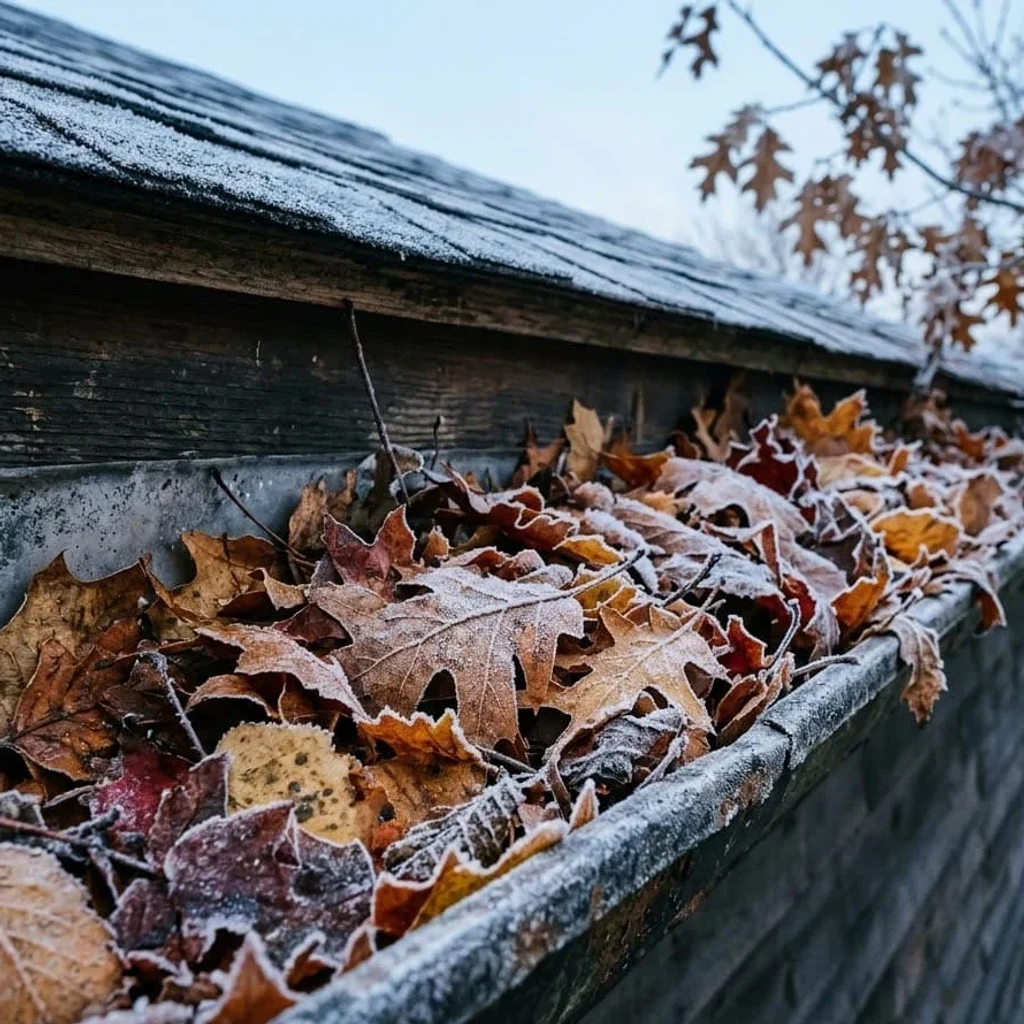
Frost-covered oak leaves packed into a gutter below a frosted shingle roof on a cold winter morning
Free EstimatesAugusta & Richmond CountySeamless Gutter SpecialistsWritten PricingNo-Pressure Quotes

The Short Answer

To winterize gutters in Augusta, clean them once the last leaves are down, flush every downspout, and fix any spot that holds standing water. That covers the one winter risk that matters most here: water trapped in a clogged gutter or downspout freezing overnight, expanding, and splitting a seam or elbow.

Most winter gutter advice online was written for Ohio or Massachusetts. It talks about ice dams, heat cables, and snow loads. Those are real problems up north. They are not what a CSRA winter does to a gutter, and spending money on them here is money wasted.

What Winter Actually Looks Like Here

Augusta winters are mild most of the time, with cold snaps rather than long stretches of freezing weather.

  • The first freeze comes in early November on average. National Weather Service records put Augusta's average first 32°F night around November 6, and the first 28°F night around November 17.
  • Most freezes are overnight. Temperatures drop below freezing before dawn and climb back above it by the afternoon. Water freezes and thaws again within the same day.
  • Hard freezes and winter storms do happen. January 2025 brought two to the CSRA within two weeks — a wintry mix with freezing rain around January 10, then a rare snowfall on January 21 that closed roads across Augusta.
  • Leaves fall late. Water oaks and laurel oaks, common across Augusta, Martinez, and North Augusta, often hold their leaves into December and shed through the winter.

Put those together and the pattern is clear. The gutter is often full of fresh leaves at the exact time of year the hardest freezes arrive.

Ice Dams: Why They Are Rare in Augusta

An ice dam is a ridge of ice along the roof edge that traps melting snow behind it. The water backs up under the shingles and leaks into the house. It is a serious problem in snowy states.

For an ice dam to form, three things have to happen together:

  1. Snow has to sit on the roof for days.
  2. Heat escaping from the attic has to melt the bottom layer of that snow.
  3. The meltwater has to refreeze at the cold roof edge, over and over.

In Augusta, the first condition almost never holds. Snow is uncommon, and when it does fall it usually melts off the roof within a day or two. The freeze-melt-refreeze cycle does not have time to build a dam.

That is why this guide does not tell you to buy roof rakes or heat cables. If you see ice along the roof edge after a rare snow, it will almost always be gone before it causes a leak. The damage to worry about is inside the gutter itself.

What a Hard Freeze Does to Gutters

A clean, well-pitched gutter drains empty after rain, so there is nothing in it to freeze. The trouble starts when water has nowhere to go.

Split seams and popped end caps

Water expands by about nine percent when it freezes. In a gutter packed with wet leaves, that water freezes into a solid block. The expansion pushes on the corners, seams, and end caps. Sealant that was already old lets go, and the joint leaks from then on.

Cracked downspout elbows

Elbows are where debris stops, so they are where water sits. A plugged elbow that freezes solid can split along its seam. You often will not notice until the next heavy rain, when water sprays out halfway down the wall.

Brittle vinyl

Vinyl gutters that have spent years in Georgia sun are already brittle. Cold makes them more so. A frozen vinyl gutter can crack from ice pressure, a falling branch, or a ladder leaned against it.

Extra weight on the hangers

Wet leaves are heavy. Ice on top of them is heavier. A gutter held up by old spike-and-ferrule fasteners can pull loose under that load and start to sag away from the fascia.

Standing water in low spots

A section with the wrong pitch holds a puddle after every rain. In winter that puddle freezes and thaws again and again, working on the sealant and fasteners each time.

The Augusta Winter Gutter Checklist

Plan to do this in December, once the oaks are mostly bare. If you have a lot of pine, do it before the first hard freeze and again in late winter.

  • Clear leaves, pine straw, and grit out of every gutter by hand
  • Flush each run with a hose and confirm water flows out the bottom of every downspout
  • Pull off the bottom elbow of any slow downspout and clear it
  • Look for standing water after flushing — mark those low spots for re-pitching
  • Check corners, seams, and end caps for drips or white sealant trails
  • Check that every downspout extension is attached and pointing away from the house
  • Make sure buried downspout lines drain — water should come out the pop-up or the outlet end
  • Look for loose spikes, gaps behind the gutter, or runs pulling away
  • Note limbs hanging over the roof that could come down in an ice storm
  • If you use a rain barrel or tank, drain it or make sure the overflow is clear before a hard freeze

If a downspout is slow or dry, the clogged downspouts guide walks through clearing it. For homes where the gutters feed a rainwater tank, the Wrens page covers how those systems should be set up.

On a single-story home with safe ladder access, most of this is a weekend job. On a two-story home, or if you would rather not be on a ladder in cold weather, our gutter cleaning service clears every trough by hand and flushes every downspout. Single-story homes typically run $150 to $250 and two-story homes $250 to $400 in the Augusta market.

Freezing Rain and Falling Limbs

Snow is rare here. Freezing rain is the winter event more likely to damage gutters in the CSRA.

Freezing rain falls as liquid and freezes on contact. It coats gutters, roof edges, and every branch above them. The weight of that ice does two kinds of damage.

  • It loads the gutter. Ice coating the outside and filling a clogged trough adds weight the hangers were never meant to carry.
  • It brings limbs down. Pines and water oaks are known for dropping limbs under ice. A branch landing on the roof edge can flatten a gutter, bend hangers, and tear the run off the fascia.

The cheapest protection is trimming limbs back from the roofline before winter. Aim for about ten feet of clearance over the roof. It also means fewer leaves in the gutter the rest of the year.

Do not chip ice out of a gutter

It is tempting to knock ice out with a hammer or broom handle. Don't. Aluminum dents easily, and striking frozen sealant cracks it. Ice in an Augusta gutter usually melts within a day. Wait it out, then check for damage.

After a Freeze or Ice Storm

Once temperatures are back above freezing and everything has melted, walk around the house and look for these:

  • Sagging runs — sight along each gutter for dips
  • Gaps behind the gutter — where it has pulled away from the fascia
  • Split elbows or seams — look for water spraying out during the next rain
  • Bent or flattened sections — usually under a fallen limb
  • Loose downspouts — straps pulled out of the wall
  • Spikes or hangers on the ground — a sign fasteners have let go

Most of these are small repairs. Resealing a split seam typically runs $150 to $250, and rehanging a sagging section $200 to $400. Our gutter repair page covers the common jobs. If several runs are damaged, the signs your gutters need replacing guide helps you decide whether repair still makes sense.

What You Can Skip

Plenty of winter gutter products are sold nationally that make little sense in Augusta.

  • Heated gutter cables. Built for weeks of snow on the roof. Here they would sit idle almost every year.
  • Roof rakes. Used to pull snow off a roof to prevent ice dams. Augusta snow melts off on its own.
  • Heavy-duty snow guards. Useful on steep metal roofs in snowy climates, rarely needed here.
  • Buying gutter guards just for winter. Guards can help year-round under heavy pine, but winter alone is not a reason to buy them. The gutter guard cost guide covers when they pay off.

Getting Ready Before the Cold

Winterizing gutters in Augusta comes down to one idea: do not let water sit in them. Clean after the late leaf drop, flush the downspouts, fix the low spots, and trim limbs back. A gutter that drains empty has nothing in it to freeze.

Augusta Gutters Pros cleans and repairs gutters across Augusta, Columbia County, Richmond County, and Aiken County. Call (706) 441-1723 to get your gutters cleared before the coldest weeks, or read how our free estimates work. For the rest of the year, the guide to how often to clean gutters in Augusta sets out a full schedule.

About the prices on this page

Every range here describes what gutter work generally sells for in the Augusta and CSRA market rather than a national average. They show what to expect, not a final offer — your exact price comes from measuring your roofline. The figures were last checked in September 2026; see our terms of service for the full disclaimer.

Straight answers

Frequently Asked Questions

Do I need to winterize my gutters in Augusta, GA?

Yes, but it is a lighter job than in colder states. Augusta freezes are usually overnight and thaw by afternoon, so the main risk is water trapped in clogged gutters and downspouts freezing, expanding, and splitting seams or elbows.

Clearing the gutters after the last leaves fall, flushing the downspouts, and fixing any low spots that hold water covers most of it.

Do ice dams happen in Georgia?

Rarely. An ice dam needs snow sitting on the roof for days while heat from the house melts it and the water refreezes at the cold eave. Augusta snow usually melts within a day or two, so that cycle does not get going.

What does happen here is ice forming inside a clogged gutter, and freezing rain coating the gutter and nearby limbs. Both are handled by keeping the gutter clear and draining.

When should I clean my gutters before winter in Augusta?

In December for most homes. Water oaks and laurel oaks, common across the CSRA, hold their leaves late, so a cleaning in October often misses the last drop.

The average first freeze in Augusta comes in early November, but hard, gutter-splitting cold usually arrives later. Clearing the gutters once the trees are bare still beats the coldest weeks.

Can frozen water damage gutters?

Yes. Water expands when it freezes. In a clogged gutter or a plugged downspout elbow, that expansion can push seams apart, pop end caps, and split elbows. Vinyl is the most likely to crack.

Ice also adds weight. A gutter already holding wet leaves and then coated in ice puts heavy strain on the hangers, which is how a run starts to sag.

Do I need heat tape or heated gutter cables in Augusta?

Almost never. Heat cables are built for places with weeks of snow on the roof. In Augusta they would sit unused nearly every year and add an electrical cost and a fire-safety item to maintain.

A clean gutter with correct pitch drains before it freezes, which does the same job for free.

What should I do with gutters after an ice storm?

Stay off the ladder until the ice melts — ice on rungs and roof edges is dangerous. Do not chip ice out of gutters, which dents the metal and tears sealant.

Once it has melted, walk around and look for sagging runs, gaps between the gutter and the house, split elbows, and limbs lying on the roof edge. Any of those are worth a repair before the next heavy rain.

Get Your Gutters Clear Before the Cold

We’ll clear the gutters by hand, flush every downspout, and point out any split seams or low spots before a freeze finds them. Call for a written price.

Call Us Now (706) 441-1723