
Maintenance & problems · Augusta, GA

How Often Should You Clean Your Gutters in Augusta?

The national answer is twice a year. Under Augusta pine it is usually three or four times — and the right months are not the ones most checklists give you.

  • Open lot, no trees nearby: once a year
  • Some hardwoods, no pine overhead: twice a year
  • Pine over part of the roof: three times a year
  • Heavy pine directly overhead: four times a year
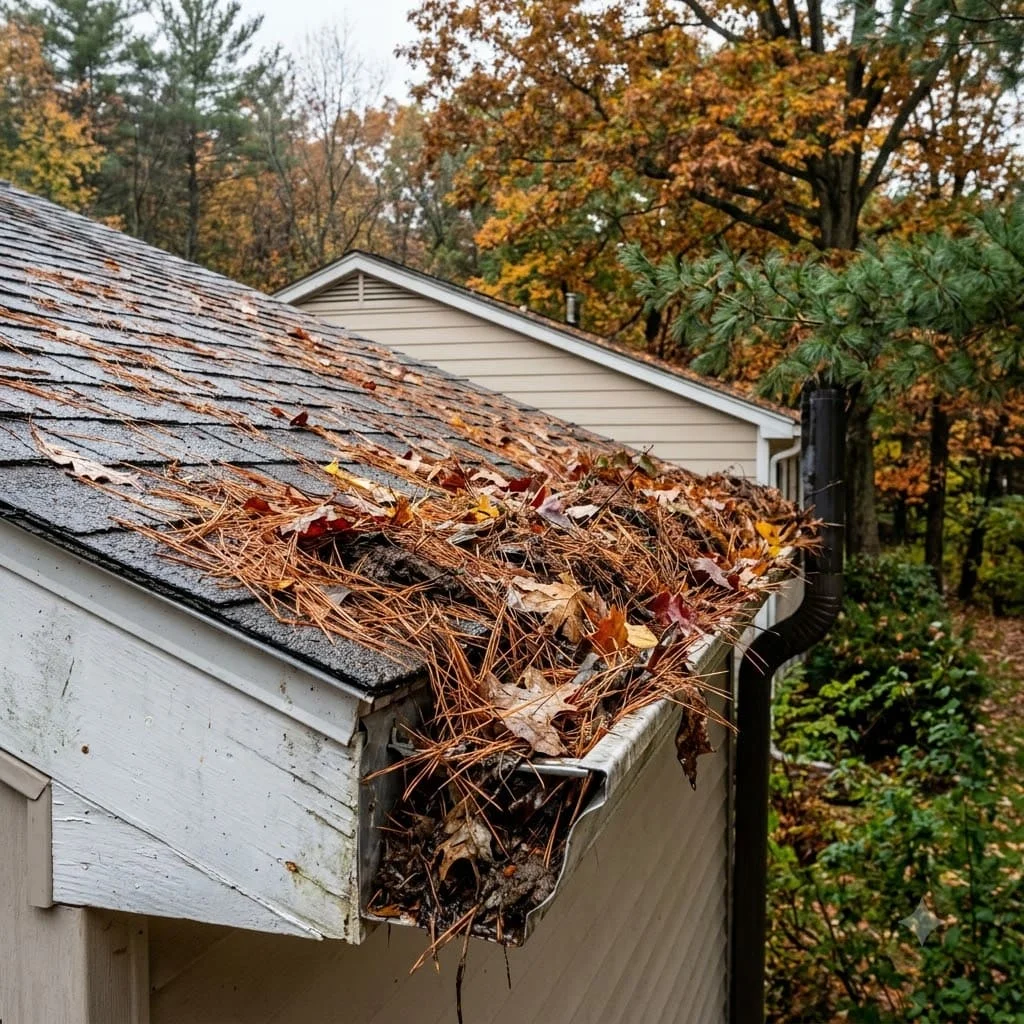
Gutter packed with pine needles and fallen leaves at the edge of a shingle roof, with pine and autumn hardwood trees behind the house
Free EstimatesAugusta & Richmond CountySeamless Gutter SpecialistsWritten PricingNo-Pressure Quotes

The Short Answer

Clean your gutters once a year on an open lot, twice a year under hardwoods, and three to four times a year under loblolly pine. In Augusta and the rest of the CSRA, the trees over your roof decide the schedule — not the size of the house or the age of the gutters.

Most "how often" advice online says twice a year, spring and fall. That rule was written for maple and oak lots up north, where leaves come down in one burst in October. It does not fit a region where pine sheds every month and many oaks drop their leaves in winter.

This guide sets out how often gutter cleaning is really needed here, which months to book it, and how to tell when a gutter has already gone too long.

How Often, by What Grows Over Your Roof

Walk around the house and look up. What hangs over the roofline, and how close it is, tells you almost everything.

Tree cover over the roof Cleanings per year Typical yearly cost, single-story Typical yearly cost, two-story
Open lot, nothing within thirty feet 1 $150 – $250 $250 – $400
Some hardwood, no pine directly overhead 2 $300 – $500 $500 – $800
Loblolly pine over part of the roofline 3 $450 – $750 $750 – $1,200
Heavy pine directly overhead 4 $600 – $1,000 $1,000 – $1,600

Three things move a house up a row.

  • Low roof pitch. Debris slides off a steep roof into the gutter quickly. On a shallow roof it sits on the shingles, then washes down in the next storm all at once.
  • Valleys that empty into a gutter. A roof valley funnels debris and water to one spot. The gutter below a valley clogs first, every time.
  • Small downspouts. A 2x3 downspout plugs with a single wad of wet pine straw. A 3x4 keeps passing water far longer. Many builder-grade homes in newer subdivisions have 2x3s.

Newer neighborhoods cut from pine stands are the classic three-to-four-visit homes. That is the reason the Evans and Grovetown pages spend so long on pine straw.

The Augusta Gutter Calendar

The CSRA has three debris seasons, not one. Booking cleanings around them gets more use out of each visit.

Months What comes down What it does to a gutter
March – May Oak tassels, pine pollen, spring needle drop, maple and sweetgum seeds Tassels and pollen form a wet paste that seals over debris and plugs outlets
June – September Steady pine straw, storm-broken twigs and green leaves Summer thunderstorms test the gutter at its fullest; overflow shows up here
October – February Hardwood leaves, the main pine needle drop, then water oak and laurel oak leaves into winter The heaviest load of the year, arriving over several months rather than one

The mistake to avoid is cleaning too early in the fall. Water oaks and laurel oaks are common across Augusta, Martinez, and North Augusta, and they hold their leaves well into winter. A gutter cleaned in mid-October can be full again by Christmas.

Here is how to time the visits for each schedule:

  • Once a year: early winter, after the leaves are down — usually December.
  • Twice a year: late spring (May) and early winter (December).
  • Three times a year: late spring, late summer, and early winter.
  • Four times a year: roughly every three months, with one visit landing after the spring tassel drop and one after the winter leaf drop.

If you are on a once-a-year schedule and hurricane season worries you, move that visit to early summer instead. A clear gutter matters most when a tropical system brings several inches of rain in a day, and that is a late summer and early fall risk here.

Why Pine Lots Need More Visits

Loblolly pine is the tree that sets the schedule across most of the CSRA, and it clogs a gutter in a way leaves do not.

Pine needles are stiff and several inches long. When they land in a gutter they criss-cross and lock together. After a few weeks they form a mat that spans the trough from front to back.

That mat is the problem. Water no longer runs along the gutter to the downspout. It pools behind the mat, soaks into it, and sits against the back of the gutter and the fascia board behind it.

A pine-matted gutter can look half empty from the driveway and still hold water. That is why "wait until it looks full" does not work on a pine lot. By the time you can see debris from the ground, the gutter has usually been failing for a while.

Pine also sheds year-round, with heavier drops in spring and fall. There is no single "after the leaves fall" moment to aim for, which is why pine lots need visits spread across the year.

Gutter size matters here too. A 6-inch gutter takes a deeper mat to bridge than a 5-inch one, so it keeps working longer between cleanings. The 5-inch vs 6-inch guide explains why that is often the real case for sizing up in Augusta.

Signs You Have Waited Too Long

If you see any of these, the gutter needs cleaning now, whatever the calendar says.

  • Water spilling over the front edge during an ordinary rain, not just a downpour
  • Little or no water coming out of the downspout while it is raining
  • Plants, grass, or small seedlings growing out of the gutter
  • A gutter that looks lower in the middle of a run than at the ends
  • Dark streaks or drip marks down the fascia or siding below the gutter
  • A trench or bare patch in the mulch bed directly under the roof edge
  • Mosquitoes around the eaves in summer — standing water in a clogged trough breeds them
  • Wasps or birds nesting in or behind the gutter

Water in the wrong place is the common thread. If the downspout is dry during rain, the water is going somewhere else — over the front, behind the gutter, or into the fascia. The overflowing gutters guide covers how to tell which.

What Skipping a Cleaning Costs

Skipping a visit rarely saves money. It moves the cost somewhere more expensive.

What happens Typical Augusta cost
Routine single-story cleaning $150 – $250
Gutters left two or more seasons (surcharge) Add $75 – $150
Rehang and re-pitch a sagging section $200 – $400
Fascia board repair behind the gutter, per section $200 – $500
Full replacement, single-story, 5-inch seamless $1,600 – $2,900

The order in that table is the order it usually happens in. A clogged gutter holds wet debris, which is heavy. The extra weight pulls the hangers loose and the gutter starts to sag away from the house. Water then runs behind it and rots the fascia. Once the board is soft, new hangers have nothing to grip.

Clogged gutters also dump water right beside the foundation. On Augusta's red clay, which drains slowly, that water sits against the slab or crawlspace wall instead of soaking away.

Doing It Yourself

On a single-story home with a safe place to set a ladder, cleaning gutters yourself is a reasonable job. A few points make it safer and more thorough.

  1. Use a stable extension ladder with a stand-off. Leaning a ladder against the gutter itself can dent the trough and crush the hangers. Have someone hold the base.
  2. Start at the downspout end. Clear the outlet first so the rest of the debris has somewhere to go when you flush.
  3. Scoop by hand or with a plastic gutter scoop. Pine mats come out in clumps. Bag them rather than dropping them in the flower beds, where they wash back to the downspout base.
  4. Flush with a hose. Run water from the far end and watch it reach the downspout. If it backs up, the downspout is blocked — the clogged downspouts guide covers clearing it.
  5. Look while you are up there. Loose spikes, split corners, standing water that will not drain, and soft wood behind the gutter are all worth noting.

Two-story homes are a different matter. Ladder falls are one of the most common causes of serious home injuries, and a second-story roof edge is where they happen. Leaf blowers and gutter wands from the ground also tend to leave a pine mat in place while blowing the loose material off the top.

If you would rather hand it off, our gutter cleaning service clears the trough by hand, flushes every downspout, and bags the debris.

Ways to Need Fewer Cleanings

You cannot change what grows over the house quickly, but you can change how much of it the gutter keeps.

  • Trim branches back from the roof. Limbs hanging directly over the roof drop the most. Cutting back to about ten feet from the roofline reduces the load. It also helps in winter, when ice can bring heavy limbs down onto the gutter.
  • Go to 3x4 downspouts. A bigger outlet does not stop debris collecting, but it stops a small clump from shutting the whole run down.
  • Add a downspout on long runs. Two outlets split the load and halve how far debris has to travel.
  • Consider micro-mesh guards under heavy pine. They cut the number of visits, but they do not remove maintenance. Pine needles and pollen still sit on top and need clearing.

Whether guards pay for themselves is a real question with a real answer, and on many Augusta homes it is "not on cleaning savings alone". The gutter guard cost guide runs the numbers, and the gutter cleaning cost guide breaks down what each visit should include.

Setting a Schedule for Your House

Count the trees over the roofline, note whether any of them are pine, and pick the row from the table above. Then book the visits around the CSRA calendar: after the spring tassel drop, and after the last oak leaves come down in winter.

Augusta Gutters Pros cleans gutters across Augusta, Richmond County, Columbia County, and North Augusta and Aiken across the river. Call (706) 441-1723 and tell us what grows over the house. We will suggest a schedule that fits it and give you a written price for each visit. You can also read how our free estimates work first.

About the prices on this page

Every range here describes what gutter work generally sells for in the Augusta and CSRA market rather than a national average. They show what to expect, not a final offer — your exact price comes from measuring your roofline. The figures were last checked in September 2026; see our terms of service for the full disclaimer.

Straight answers

Frequently Asked Questions

How often should gutters be cleaned in Augusta, GA?

It depends on what grows over the roof. An open lot needs one cleaning a year, a lot with some hardwoods needs two, and a roofline under loblolly pine needs three or four.

Pine is what pushes most CSRA homes above the national "twice a year" rule. Needles fall all year and knit into a mat that holds water, so the gutter stops working long before it looks full from the ground.

What is the best time of year to clean gutters in Augusta?

Later than most people think. Many CSRA oaks, including water oaks and laurel oaks, hold their leaves into December and drop them over winter. A cleaning in October often has to be repeated.

For a two-visit schedule, aim for late spring after the oak tassels and pine pollen fall, and again in early winter once the last leaves are down.

Do pine needles really clog gutters faster than leaves?

Yes, and in a different way. A leaf lies flat and often washes toward the downspout. Pine straw is stiff and long, so it criss-crosses the trough and builds a mat that spans it.

Once a mat forms, water sits behind it against the back of the gutter and the fascia board. That is why pine lots need more visits even when the gutter does not look packed.

Can I go a year without cleaning my gutters?

On an open lot with no trees within about thirty feet, usually yes. Under any pine or oak cover, no — by the end of a year the trough is holding standing water, the downspout outlets are plugged, and the extra weight is working on the hangers.

Gutters left two or more seasons also cost more to clear. Heavily packed troughs add $75 to $150 to a normal visit in the Augusta market.

Do gutter guards mean I never have to clean my gutters?

No. Good micro-mesh guards cut the number of cleanings, but pine needles and pollen still settle on top of the mesh and need brushing or rinsing off, usually once or twice a year.

Guards change the job from scooping out a trough to clearing a surface. Whether that saves money depends on how many visits a year you are paying for now.

How much does it cost to have gutters cleaned in Augusta?

Most single-story homes fall between $150 and $250 a visit, and most two-story homes between $250 and $400. Long rooflines, steep roofs, and heavily packed troughs push toward the top of the range.

The number worth budgeting is the yearly total. Under heavy pine, four visits on a two-story home can run $1,000 to $1,600 a year.

Get a Cleaning Schedule That Fits Your Roof

Tell us what grows over your house and we’ll tell you how many visits it really needs — with a written price for each one and no obligation.

Call Us Now (706) 441-1723